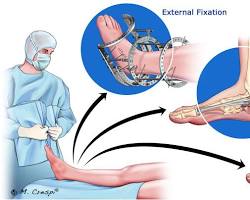
When you have a simple ankle sprain, a bit of rest and physical therapy are often all you need. But for many patients, foot and ankle pain isn’t just a temporary setback—it’s a chronic, life-altering struggle. Whether it’s a deformity you were born with or a complex injury that never healed quite right, sometimes a “standard” fix isn’t enough.
This is where foot and ankle reconstruction comes in. Unlike minor procedures, reconstruction is a highly specialized field designed to rebuild the foundation of your mobility.
Why Sub-Specialty Training Matters
When dealing with complex foot and ankle issues, the most important factor in your recovery is the expertise behind the scalpel. At SASK Ortho, Dr. Gregory Caronis brings a unique level of sub-specialty fellowship training specifically in reconstructive surgery.
While many orthopedic surgeons are generalists, Dr. Caronis completed a rigorous fellowship at the renowned Harbor UCLA Medical Center and Balance Orthopedic Foot and Ankle Center. This advanced training allows him to address “the difficult cases”—the ones involving severe deformities, chronic pain, and failed previous surgeries that require a sophisticated understanding of joint mechanics and anatomy.
Common Conditions Requiring Reconstruction
Foot and ankle reconstruction isn’t a single surgery; it’s a personalized blueprint to restore function. Here are the most common conditions that benefit from this specialized approach:
1. Progressive Flatfoot (Adult Acquired Flatfoot Deformity)
When the posterior tibial tendon weakens, the arch can collapse. This isn’t just a cosmetic issue; it causes the foot to turn outward and creates intense pain along the ankle. Reconstruction might involve tendon transfers and bone realignment to recreate a stable, functional arch.
2. High Arches (Cavus Foot)
Opposite to flatfoot, abnormally high arches place excessive pressure on the outside of the foot and the ball of the foot. This can lead to chronic instability and stress fractures. Reconstruction helps redistribute weight-bearing forces to prevent long-term joint damage.
3. Advanced Arthritis & Joint Degeneration
When cartilage is completely worn away, reconstruction may involve total ankle replacement or joint fusion to eliminate pain and restore the ability to walk without a limp.
4. Diabetic Foot Deformities (Charcot Foot)
For patients with diabetes, a condition called Charcot foot can cause bones to weaken and joints to collapse. Expert reconstruction is essential here to prevent ulcers and avoid the risk of amputation.
Modern Surgical Techniques
The “anatomy” of a modern reconstruction involves more than just plates and screws. Dr. Caronis utilizes state-of-the-art, minimally invasive techniques whenever possible. These modern methods include:
-
Ankle Arthroscopy: Using tiny cameras and instruments to repair the joint through small incisions, leading to faster recovery times.
-
Precision Alignment: Using advanced imaging and hardware (plates, rods, and bone stimulators) to ensure the foot is perfectly balanced for your specific gait.
-
Total Ankle Replacement: Utilizing the latest implant technology to maintain joint motion rather than fusing it.
Restoring Your Quality of Life
The ultimate goal of foot and ankle reconstruction is simple: to help you stop thinking about your feet.
By correcting the underlying anatomy, patients often experience a dramatic reduction in pain and a significant increase in their activity levels. Whether your goal is to return to the golf course, keep up with your grandchildren, or simply walk through the grocery store without pain, reconstruction offers a permanent path forward.
Take the Next Step
If you have been told your foot or ankle problem is “too complex” or you are tired of treatments that only provide temporary relief, it may be time for a reconstructive consultation.
Ready to regain your stride? Contact Dr. Gregory Caronis at SASK Ortho to discuss how sub-specialty expertise can transform your mobility.